
Bank Smarter in the New Year With Direct Deposit
A new year has a way of making money feel louder. Bills reset. Goals resurface. And suddenly every purchase comes with a mental note about ‘doing better this year.’ If that sounds familiar, direct deposit and automatic savings might be the simplest, smartest reset you can make.
Direct deposit takes the guesswork out of getting paid. Auto-savings takes the friction out of building a cushion. Together, they create momentum without requiring constant willpower. When money moves automatically, better habits tend to follow, and that’s where real progress starts.
The Short Version for Busy Schedules
- Direct deposit puts your paycheck to work immediately and reliably.
- Automatic savings turn goals into habits without daily effort.
- Small, consistent transfers add up faster than expected.
- Smarter banking habits reduce stress and decision fatigue.
How Does Direct Deposit Work?
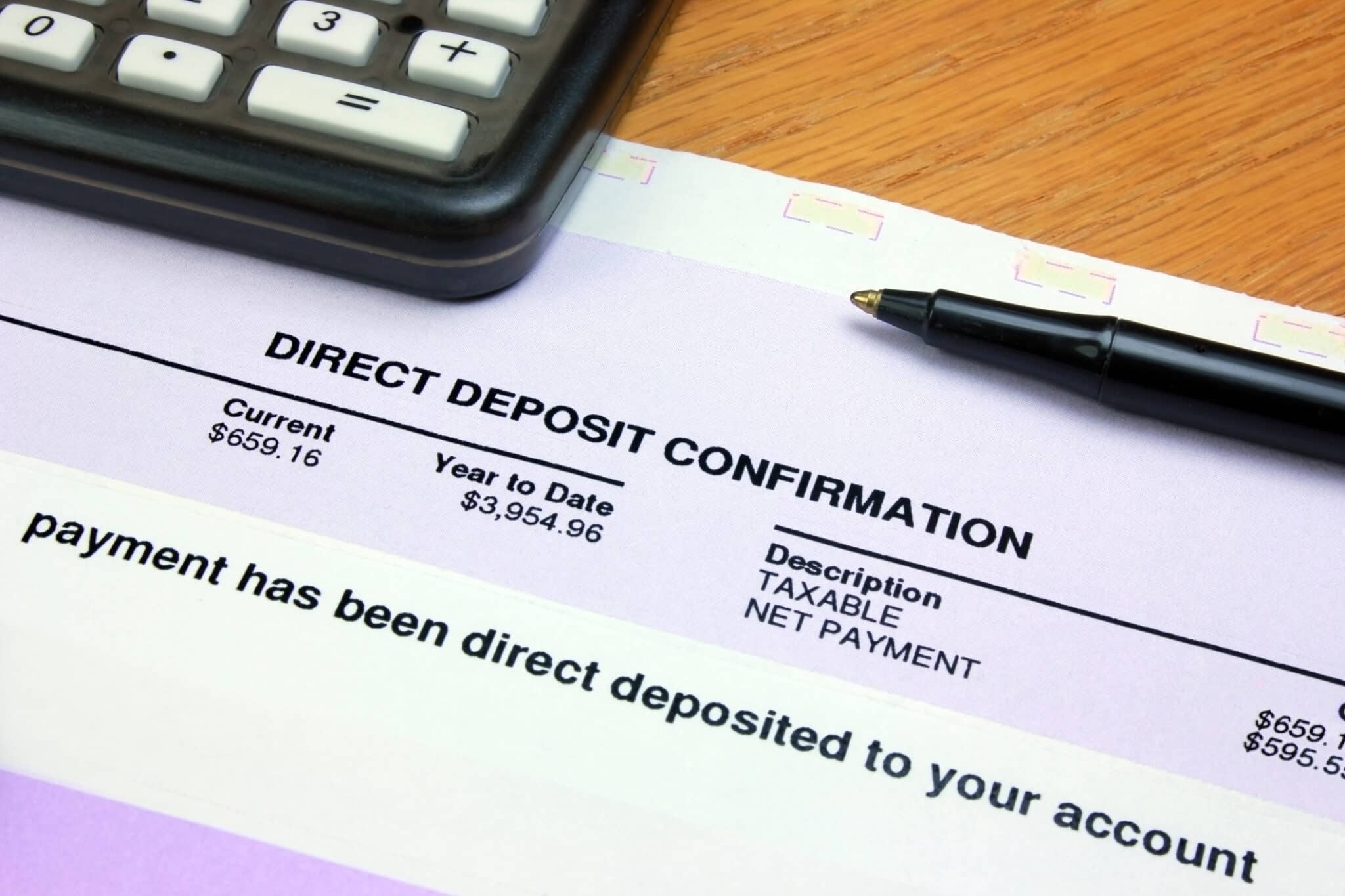
Direct deposit sends your paycheck straight into your bank account electronically, cutting out extra steps that slow things down. No paper checks to misplace. No waiting in line at a branch. No wondering whether funds will clear today or tomorrow. Once it’s set up, your pay shows up automatically, exactly when you expect it to.
That kind of consistency makes a real difference. Deposits often post earlier than traditional checks, which gives you more control over timing, especially when bills, transfers, or savings are tied to payday. With direct deposit in place, it becomes easier to budget with confidence and automate what happens next, including building toward savings goals.
But, Is Direct Deposit Safe?
Short answer: yes. Direct deposit is one of the most secure ways to receive income. It reduces the risk of lost checks, mail delays, or fraud tied to physical payments.
Fund transfers through encrypted banking systems are designed to protect account information. For many people, direct deposit adds both convenience and peace of mind, two things that matter when building smarter financial routines.
How Do Automatic Savings Work?
Automatic savings transfers a set amount of money from checking to savings on a schedule you choose. That schedule can match your paycheck, happen weekly, or align with monthly goals.
The key is consistency and being money smart. Instead of saving “whatever’s left,” auto-savings prioritize goals first. Over time, those transfers quietly build balances without requiring constant attention.
Why Direct Deposit Is a New Year Game-Changer
The start of the year is about resets, not perfection. Direct deposit supports that mindset by simplifying the most basic financial task: getting paid.
When income lands automatically, it removes timing issues and reduces the temptation to spend before planning. Money arrives ready to be managed, not chased down or delayed.
Start Saving in the New Year Without Overthinking It
Saving doesn’t need a perfect plan to get started. It needs momentum. Automatic savings create that momentum by removing decisions from the process.
Even modest transfers, like $25 or $50 at a time, compound into meaningful progress. The habit matters more than the starting amount.
Pro Tip: Start smaller than you think you should. It’s easier to increase later than to undo a system that feels too tight.
How Much Should I Save Each Month?
There’s no universal number. The right amount depends on income, expenses, and current obligations. What matters most is choosing an amount that fits your life and stays sustainable.
Many people aim for:
- Emergency savings first
- Short-term goals next
- Long-term savings after consistency is established
Automatic savings make it easier to adjust over time without starting from scratch.
Smarter Banking Habits Reduce Decision Fatigue
Financial stress often comes from repeated small decisions. Should I save this month? Can I afford to move money right now? Did I already transfer something?
Direct deposit and auto-savings answer those questions in advance. Once the system is set, it runs quietly in the background, freeing up mental space for other priorities.
Pairing Checking and Savings Makes Everything Easier
Checking and savings accounts work best when they’re connected. Direct deposit feeds checking. Automatic savings pull from checking. They turn good intentions into repeatable action, taking willpower out of the equation.
A financial reset doesn’t need bold promises or rigid rules to stick. It needs systems that keep working whether motivation is high or low, moving money with purpose while you focus on living your life.
A Financial Reset Doesn’t Require a Complete Overhaul
New year financial goals often fall apart because they ask for too much, too fast. Big promises and strict rules tend to rely on motivation alone—and motivation is rarely consistent. Automation takes a different path. It shifts the focus from willpower to systems that keep working in the background.
Direct deposit and automatic savings don’t demand daily check-ins or constant discipline. They reward consistency by making progress automatic, even on busy or distracted days. That’s what gives these habits staying power, long after January enthusiasm fades and real life settles back in.
Ready to Set Things Up?
If you’re thinking about starting the year with smarter banking habits, setting up direct deposit and automatic savings at Citizens Bank is a strong first move. A local banking team can walk through options and timing in a way that fits your schedule and goals.
You can call (615) 327-9787, visit a branch in Nashville or Memphis, or stop by during business hours Monday through Friday, 8:30 a.m. to 4:30 p.m. A short conversation now can simplify money management all year long.